A Friendly City
The city of Cardiff offers an excellent location in which to study. Students at Cardiff benefit from the combination of a small, friendly, inexpensive city with the cultural and recreational amenities of an ambitious and progressive capital city. With a population of 327,500, Cardiff does not suffer from overcrowding. Students in Cardiff lead a busy life, both with their academic studies and the social and cultural activities that take place.
Europe''s Youngest Capital City
Cardiff was given city status in 1905, but it was not until 1955 that it was declared the capital city of Wales, making it Europe''s youngest capital city.
2000 Years of History
The history of Cardiff stretches back over 2000 years to Roman times when the Romans first established a fortified settlement on the banks of the River Taff. One thousand years later the Normans came to Cardiff. The castle, or keep, which can be seen within the modern walls of Cardiff Castle, originates from this time.
The city''s greatest period of growth began in the 18th century with the development of the coal and iron industries in the South Wales valleys, which led to Cardiff becoming one of the world''s greatest coal-exporting ports in the 19th and early 20th centuries.
Extensive Parklands
The city benefits from extensive parklands, some of which come right into the city centre itself. Indeed, Cardiff has a greater area of parkland per head of population than any other city in Britain, providing residents with unrivalled opportunities for sports, leisure and relaxation.
A Magnificent Civic Centre
The University is based within Cardiff''s magnificent civic centre. With its wide tree-lined avenues, ornamental parklands and white-stoned neo-classical architecture, it provides one of the finest sites of any civic university in Britain. Built at the beginning of the century, it is regarded as a world-ranking example of civic architecture.
Convenient Location
Cardiff is an extremely accessible city, benefiting from excellent road, rail and air communications. Using the hourly high-speed train service, London is reached within two hours. Cardiff has convenient connections to Heathrow and Gatwick airports and the city also benefits from its own international airport. The city is served directly by the M4 motorway providing fast links to the rest of the UK.
Full Range of Social and Leisure Facilities
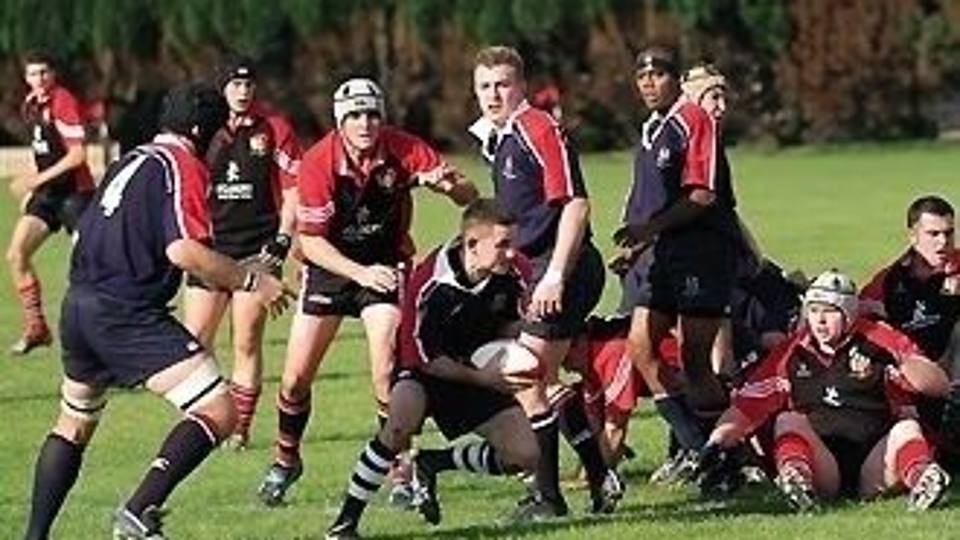
As a capital city, Cardiff offers excellent opportunities for cultural and social activities. Cardiff is home to the internationally- renowned Welsh National Opera and the National Orchestra of Wales. The New Theatre''s programme of events regularly includes touring London musicals, plays and ballet; whilst the Sherman Theatre and Chapter Arts Centre offer an eclectic mix of more contemporary film, dance and drama. The impressive Wales Millennium Centre - home to the Welsh National Opera, opens in November 2004. 1999 saw Cardiff act as host city for the Rugby World Cup, the last major sporting event of the millennium. The awe-inspiring 72,000 capacity Millennium Stadium dominates the city''s skyline. In addition to the sport of rugby, Wales'' national sport, the Stadium is to be a venue for huge concerts and major sporting events including Euro 2004 qualifiers and FA Cup finals whilst Wembley Stadium in London undergoes redevelopment. Cardiff is also home to: Glamorgan Cricket Club, based in Sophia Gardens close to the University; Cardiff Rugby Club, one of Europe''s leading teams; Cardiff City Association Football Club and the Cardiff Devils Ice Hockey Team.
One of the UK''s Greatest Shopping Centres
The compact city centre is known as one of the most attractive regional shopping centres in Britain. Close to the main campus and pedestrianised, the city centre is an accessible source of quality establishments such as Vidal Sassoon, Hennes and Mauritz, Oasis, Virgin Megastore, Jaeger, Marks and Spencers, Monsoon and many other high street names. Department stores and designer labels are only one part of shopping in Cardiff; the city''s covered Victorian arcades offer an alternative experience of boutiques, bookshops, coffee-bars, and record shops catering to student tastes and budgets. Cardiff Bay is one of Europe''s most exciting waterfront developments
A Multicultural Community
Cardiff offers overseas visitors a multicultural environment in which all nationalities and beliefs are represented and respected. Facilities and community groups representing all major religions may be found close to the University. Within the city centre and its surrounding suburbs, delicatessens, restaurants and ethnic-produce stores provide a source of prepared foods and essential ingredients from Africa, Asia, the Indian Subcontinent and Eastern Europe. As one of Britain''s first mixed communities, Cardiff offers a relaxed environment where everyone is made welcome.
Affordable Living
Cardiff is known as an affordable capital city. For example, Cardiff was identified by a British Tourist Authority (BTA) survey as the cheapest capital city for nine years. This survey compared 16 capital cities around the world including such items as accommodation, travel, food, entertainment, shopping and services. The Virgin 2003 Guide to Universities found that Cardiff had the lowest cost of living of any university city and the Guardian newspaper also recently identified Cardiff as one of the cheapest cities in the UK.
The Students'' Union
The Students'' Union is a large complex entirely dedicated to Cardiff University students. During your time at Cardiff you will probably spend a lot of your time in the Union, both socialising, meeting fellow students, working, getting advice, finding out about forthcoming events, purchasing your course books from the University Bookshop, sorting out your finances at the bank, binding your dissertation, or just having a coffee break. You will automatically be a member of the Students'' Union on enrolment, which will entitle you to generous discounts in many of the city''s shops, restaurants, and cinemas.
The Great Hall
This is the University''s prime concert venue, and has hosted some popular bands over the years, recently: Embrace, Ian Brown, Basement Jaxx and more; up to thirty concerts are held here each year.
Solus
This is the union''s own night-club, with a 1600 people capacity. It''s an exciting place to meet new people and meet up with old friends to party to a different type of music each night; drum and base; house; 70''s music and disco. There are also cinema nights; comedy evenings, and a wide range of special one-off events taking place throughout the year. This venue also hosts regular poster, plant and clothes sales to help make your new room feel like home.
Cafe Seren Las
Come here to meet your friends, have a baguette and a coffee, watch some television and relax away from your studies for a while. This is also a great place to hold your own party as the venue can be rented out for students'' private functions.
The Tafarn
A recently refurbished bar which serves drinks and food at very low prices. It is a good place to relax with other students and stays open until late.
A Safe and Affordable Night Out
Apart from the prices, what makes the Union a great place to go out is the safety; free minibuses run from the Students'' Union to all university halls from the time your lectures finish until after the Union closes. Female students take priority on this bus service and after midnight the buses are exclusively for women. All University venues have security staff working at all times and no-one but you and your fellow students can gain entry to the Union in the evening.
Meeting People, Getting Fit and Having Fun
The Students'' Union is home to a huge number of student societies; there are currently over 100: with many being run by and for International Students exclusively; over 60 sports societies; and others from a wide range of pursuits and interests: there is bound to be something that you will want to join.
Joining a student society is an excellent way to make new friends, meet people from your own country, get fit, have some fun, or find a new hobby. Getting involved in student life is also a good way to impress future employers.
Graduate Centre
Cardiff University has a firm commitment to supporting its postgraduate community and as such all Cardiff postgraduate students have access to the newly-developed Graduate Centre. The centre offers excellent facilities including over 40 networked computers accessible 24 hours a day; an information room with a range of literature about funding opportunities, careers, conferences and entertainment; and faxes, photocopiers and telephones available for student use. It is a place to eat and drink with friends, a centre for interdepartmental research seminars and interdisciplinary research training and somewhere to get some quiet study done. Click here for more information
Student Advice Centre
The Student Advice Centre in the Students'' Union consists of three full-time staff plus an Academic Affairs Officer and Equal Opportunities Officer. These people are there to help you throughout your time at university with any problems you might have with money management, accommodation, finding employment, etc. Whatever your concern there will be someone who will do their very best to help you. International Student Adviser Within the Student Advice Centre there is one member of staff who is there especially for International Students. Her name is Maria Al-Haddad and she is available throughout the year, to help with immigration issues, work permits, entry and holiday visas, or any problems you might have whilst a student at Cardiff University. You can telephone her on: +44 (0)29 2078 1492, or email her on: advice@cf.ac.uk She is the best person to contact if you have any visa problems whilst you are here, or for any of your problems. She will be happy to help.
Student Development Unit
This provides you with an excellent opportunity to gain extra skills during your time at university. A wide range of short course choices are on offer including: Speaking and Presentations Skills; Information Technology Skills; Creating and Maintaining Websites; Basic Welsh, and much more. This is an ideal chance to get yourself noticed by future employers; the courses are available to all students who want to do them and they won''t cost you anything.
Gair Rhydd and Xpress FM
Cardiff University Students'' Union produces a free weekly newspaper, the Gair Rhydd (Welsh for Free Word) and a 24-hour radio show, Xpress FM; both of these are entirely run by students for students. The best thing is that it''s another chance to get involved; Gair Rhydd welcomes anyone who wants to write for the paper, edit pages, interview people, take photographs etc; and if you''ve ever fancied being a DJ why not do some presenting for Xpress FM?
The Students'' Union have their own web pages.
Student Social & Sports Societies
Student Social Societies
Cardiff University has a very active Students Union with over 200 sporting and social societies that students are encouraged to become involved with. Becoming a member of a society provides an excellent opportunity to meet new people, learn new skills, pursue an existing hobby or find a new one and make the most of your time in Cardiff. During the first week of term there will be a ''Societies Fair'' where all societies will be available for you to meet and join any which interest you. Societies usually charge a small membership ranging from about 2 to 5 pounds, any specialist equipment used may cost more (for example in the Photographic Society you will need to provide your own camera.
Societies of special interest to international students are:
Asian Society
Chinese Students'' Society
Christian Union
European Experience
Hindu Students Forum
Hispanic Society
Indian Society
Islamic Society
Japanese Society
Jewish Society
Malaysian Society
Pakistan Society
Singapore Students'' Society
Sri Lankan Students'' Society
Taiwanese Students'' Society
United Nations Association
Examples of other societies include:
Amnesty International
Act One (Drama Group)
Debating Society
Conservation Volunteers
Gair Rhydd (Student Newspaper)
Outdoor Pursuits
Politics Society
Music Society
Photographic Society
Sci-Fi Society
RAG (for charity)
XPress (Student Radio)
In addition there are over 80 more social societies open to all students which pursue a whole range of activities and interests. For a full list please go to The Students'' Union Web-Site
Student Sporting Societies
The University is proud of its many sporting societies which cater for those who are skilled sports men and women as well as those who would like to try a new sport out.
During the first week of term there is a ''Societies Fair'' where you can speak to people from all these societies and join any which interest you. There is a small charge for membership of each society which includes insurance and Athletic Union membership.
University Residences
A Guarantee of Accommodation
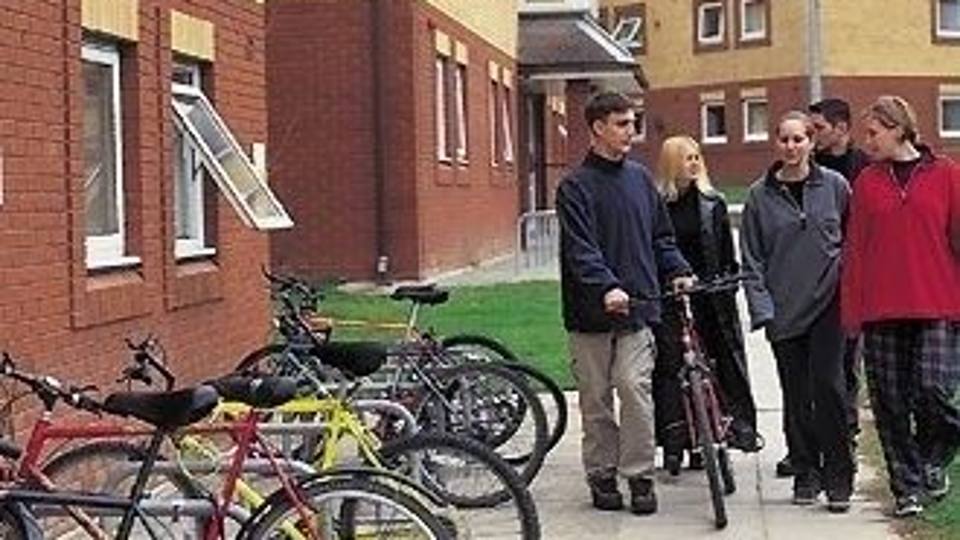
For the majority of international students, travelling abroad to study presents a significant personal challenge. Settling in and making new friends are vital first steps at the start of university life in a new country. Most students find that living in University Residences during their first year makes the whole process of adjusting to the demands, challenges and opportunities of student life that much easier. Living in University Residences also provides an ideal opportunity to meet people from different backgrounds, studying a wide range of subjects.
The University guarantees a single occupancy place in University Residences to all first year international students who apply during the normal admissions cycle. It should be noted that this guarantee does not extend to the very small number of students who join through the clearing and RPA processes, although every attempt is made to accommodate them. Cardiff also guarantees a single occupancy place in University Residences to overseas returning students as long as you apply through the overseas returneras process.
Cost of Accommodation
In a survey by the NUS (National Union of Students) published in May 2000 it was found that out of all the universities in the UK, Cardiff has the cheapest University accommodation. We estimate that to cover nine months of accommodation and living expenses you will need L5,540, for postgraduates, this amount is L7,900 for a full year. This cost includes accommodation, food, books, clothing, local phone calls, laundry and going out.
When to apply for accommodation
Shortly after you have been made an offer to study at Cardiff University you will be sent a Residences Guide and an Accommodation Request Form. This contains full details of all of our University accommodation and details of the fees. You can complete and return the Accommodation Request Form as soon as you receive it. It is important to note that you will not be allocated accommodation until you have accepted an unconditional offer to study; however, getting your application in as soon as possible means you are more likely to be allocated one of your first choices. Offers of accommodation will be sent out in August / September.
Self-catered/Catered Halls of Residence
Accommodation is provided for two different periods of time:
a The full year or;
a Term time, the Christmas and Easter vacations (from September until the end of June the following year).
In self-catered accommodation students share a kitchen with anything from 4 to 8 other students and they are able to cook for themselves using facilities provided. Catered accommodation at University Hall (this is the name of one of our University Halls of Residence) provides during term-time, breakfast and three-course evening meals, Monday to Friday, while a traditional lunch is provided on Sundays. Vegetarian meals are always available. Catered accommodation rooms also share small kitchens where hot drinks and snacks can be made. The female-only Aberdare Hall also provides catered accommodation, with breakfast and dinner daily, with some variation at weekends.
Mixed Halls of Residence
All of our halls, like most other UK universities, are mixed; the only exception to this is Aberdare Hall, which is mainly for female undergraduate students. Our mixed halls cater for students who share with students of both sexes and from all around the world, although you can express a preference for a male or female-only flat within our mixed Halls of Residence. If you have an en-suite bathroom facility this means you will have sole use of a shower, toilet and wash basin.
Single Sex Accommodation
Aberdare Hall is available only to female undergraduates, with a small number of rooms available for female postgraduates.
Shared Kitchens
In halls which are self-catered, you will share your kitchen with the other students in your flat, anywhere between 4 and 8 other people. There are always shops nearby where you can buy food, and places where you can eat out should you need a break from your own cooking! This is a good way to meet people as you share cooking tips and even cook for each other, making your meals social occasions if you wish.
Choosing the best accommodation for you
With a wide variety of Halls of Residence, there is plenty of variety: whether you are married; wanting to cook for yourself or have meals provided; if you want to live with members of your own sex only; if you prefer city or suburban life; or if you want access to some of the best sporting facilities in the UK university system - there is something to suit everyone. You should make a list of what is important to you, and read through the Residences Guide carefully in order to see where you think you would most like to live.
Paying for your Accommodation
Full details on how to pay for your accommodation can be found on our paying your accommodation fees webpage.
Private Accommodation
There is an abundance of accommodation in Cardiff that is let out by private landlords to students. Such accommodation consists of shared houses and flats. Occasionally you may find a room in a house that you would share with the landlord/lady. The weekly cost of a room in a shared house varies depending on the size, location, facilities and if any bills are included. For this type of accommodation you are likely to have to pay rent during your vacations whether you are there or not, so make sure to allow for this in your budget.
Additional Expenses in Private Accommodation
Unlike University accommodation, where most bills are included, you will find that when you rent private accommodation you may have to pay for things like:
A Bond (this is normally equivalent to one month''s rent and will be returned to you after you leave the property, providing that no damage has been done)
Water
Electricity
Gas
Television licence
Council Tax (if you share with anyone who is not a student)
Rent during your vacations, or a summer retainer
Telephone rental and bills
Rent during the summer; most student properties require that you do this even if you are not resident for this time, in order to ''reserve'' your property for the coming academic year.
Help finding private accommodation
There is plenty of assistance if you do decide to look for private accommodation. The Residences Office keeps regularly updated lists of private sector accommodation and the Students'' Union Advice Centre can give you advice about what to look out for and consider. We would advise that if you do opt for private accommodation, you arrange to stay in Bed and Breakfast accommodation for a week before your course starts, so that you have plenty of time to find something suitable for you. During the summer, until the 10th of September, rooms in our University Halls of Residence are available at low prices. This is a good option for those students who are looking for private accommodation. To find out if accommodation is available on the days you want to stay please contact: vacation@cf.ac.uk
Residences Office
PO Box 533
Southgate House
Bevan Place
Maindy
Cardiff
CF14 3XZ
Telephone: +44 (0)29 2087 4849
Email: residences@cf.ac.uk
Students'' Union Advice Centre
Maria Al-Haddad
Third Floor
Cardiff University Students'' Union
Park Place
Cardiff
CF10 3QN
Telephone: +44 (0)29 2078 1492
Email: advice@cf.ac.uk
Signing a contract for private accommodation
Tenancy agreements
There are two types of tenancy agreements:
Assured Shorthold Tenancy Agreement - this means that you have security of tenure during the term of your lease providing you pay the rent. This is for individuals and means that if your flatmates move out you will not be liable to pay their rent.
Before signing your contract
Agree a written inventory with your landlord; this should include a list of all the items in the house as well as the state of repair of the property and furniture etc.
Try to negotiate a lower rate (usually half) if you have to pay rent during the summer when you do not occupy the house
Find out exactly how much the rent is, how it will be collected and if there are any extras.
Find out exactly what is included in your rent; if water, gas, electricity and phone are all in addition to the rent.
Find out how much the deposit/bond is. Pay by cheque and get a written receipt.
Ask what the procedure will be if anything needs replacing or repairing. Who do you contact and who will pay for it?
Can you put pictures up on the walls etc?
Do you have to take out your own contents insurance?
How much notice do you have to give should you wish to leave at any time?
How long is the lease for?
Accommodation for Families
This type of accommodation is very limited in Cardiff. It is essential that you have arranged accommodation for your family before bringing them to Cardiff. A small number of University bedsitters are available for couples without children, in their first year of study and a small number of 1 and 2 bedroom flats are available for families, for students in their first year of study. All students living in such accommodation are expected to seek alternative accommodation for subsequent years in Cardiff, as the period of residence can not be extended beyond the first year.
Private Family Accommodation
Often such accommodation is booked up even before the end of the previous academic year. Although the Residences Office will give you as much help as it can, it may take you some time and expense before you can find suitable family accommodation at a price that you can afford. If you are going to look for family accommodation we recommend that you arrange to come to Cardiff, on your own, in late August / early September. You should stay in bed and breakfast accommodation, or arrange to stay in University-owned accommodation, for about a week, and try to find accommodation before your family comes to join you. The Residences Office can also provide you with lists of private sector accommodation for you to try.
Bed and Breakfast Accommodation - if you are visiting
If you are planning a visit to Cardiff, or if you are staying in Cardiff for a short while before finding permanent accommodation you may want to stay in hotel or bed and breakfast accommodation.
Occasionally there may also be accommodation available at one of our University Halls of Residence. To find out if this is available for the period that you would like to stay please contact: residences@cf.ac.uk
Welsh Language Information
Welsh is one of the oldest living languages in Europe and is considered an important part of the heritage of Wales.
Do I have to speak Welsh?
Everybody in Wales speaks English and all your lectures, seminars and coursework will be conducted through the medium of English. You will not be expected to have any knowledge of or learn Welsh (unless you want to).
About 20% of the Welsh population speak Welsh and is more common in rural areas outside of Cardiff. Some places you may see/hear Welsh include road signs and on some television programmes.
Can I learn Welsh?
Although all University work is conducted through the medium of English, for those students who are interested in learning some Welsh and understanding a little bit more about Welsh culture - there are a number of short courses available.
Working During Your Studies
Working in the UK
Working during your studies
Many international students who have entered the UK on a student visa are able to work part-time whilst they are studying. If you have come to the UK on a student visa for more than 6 months you are likely to be able to work up to 20 hours a week during term time and any number of hours during vacations.
How to tell if you are allowed to work in the UK whilst you are studying
You can work if the visa/immigration stamp placed in your passport state one of the following:
A: "Leave to enter for/until X Date. No recourse to public funds. Work (and any changes) must be authorised."
B: "Leave to enter the United Kingdom on condition that the holder maintains and accommodates himself and any dependants without recourse to pubic funds and does not enter or change employment paid or unpaid without the consent of the Secretary of State for Employment, and does not engage in business or profession without the consent of the Secretary of State for the Home Department is herby given for/until X date
However, if you are uncertain of the meaning of the statement on your visa placed in your passport regarding permission to work, please check when you arrive in Cardiff. The International Student Support Co-ordinator in the International Development Division, 42 Park Place and the International Advisory Team in the Student Support Centre, 50 Park Place will be happy to help you.
What kind of work can you do?
If you have either A or B statements in your student visa then you are allowed to work within certain conditions. These conditions state that:
a You can work up to 20 hours a week during term-time.
a You can work any number of hours during the vacations.
However, you must not:
a Engage in business, be self-employed, or provide services as a professional sports person or entertainer
a Pursue a career by filling a permanent full-time vacancy.
Sandwich courses
A "sandwich course" is an undergraduate course that includes a work placement. Typically undergraduate students on sandwich courses spend the first year in full-time study at Cardiff University; the second year working in a company and then return to full-time study at the University. The work placement must be approved by the University and not extend beyond the end of the course, that is, there must be another period of study at the University after the work placement has ended. If you are studying a sandwich course you are allowed to take a work placement which is part of that course and work full-time during your work placement.
How do I get a job?
The best place to start your search for part time work is through the UNISTAFF JOBSHOP
A priority for many students on arriving at University is finding a part-time job. This can be difficult in a strange country and city where everything is unfamiliar and where the high street employment agencies are not always student friendly. Unistaff Jobshop is a great free service which makes it easy for students to find casual temporary part-time work.
The Jobshop operates both as an introductory service to local employers as well as a recruitment agency providing part-time, temporary and vacation jobs within the Studentsa Union and University and with local companies. All vacancies are advertised, whether internal or external; pay is at the adult National Minimum Wage of L5.35 per hour.
Vacancies with local companies are advertised on the notice boards at the Jobshop as well as on the Studenta Union website (see below). Vacancies are updated frequently, so it is important that you check the website and the job boards regularly. Once registered, you will be kept informed of new vacancies as they arise via email.
Once you arrive in Cardiff, you can register by calling into the Jobshop (located on the ground floor of the Studentsa Union building), between 10.00 - 16.00, Monday - Friday. Please bring your student card and passport.
www.cardiffstudents.com/main/support/jobshop
Tel: 029 2078 1535 or 029 2078 1536
How easy is it to get a job?
It isnat possible to walk straight into a job when you arrive in Cardiff and register with the job shop. However, if you are prepared to do any type of work, if you are conscientious and reliable then you will be able to pick up work to supplement your income whilst you study.
What type of jobs can I obtain from the Students Union Job Shop?
The most popular jobs are those located in offices in different departments in the University. Typical types of office jobs include data entry - in-putting information onto a database on a computer or carrying out a mail-shot - collating information and putting it into envelopes to send to individuals. All Students want to do these jobs, so when they become available you will need to respond quickly to staff in the Jobshop.
However, more frequently the type of work that is available through the jobshop includes:
a Catering work - washing up
a Working in the libraries - restocking shelves
a Giving out flyers
a Telephone market research
a Telephone sales
a Supporting corporate events at the Wales Millennium stadium
Your level of spoken and written English will dictate what employment is available to you.
How much will I be paid?
You are likely to be paid the minimum adult wage, currently L5.35 per hour. The income you receive from part-time work should be viewed as pocket money only. It is not possible to rely on these part-time earnings to maintain an adequate standard of living whilst you are studying in Cardiff.
Income tax and national insurance contributions
International students pay tax at the same rate as UK citizens, this includes both income tax and national insurance, and (which is another tax). You will see from your payslip that these deductions are made before you receive your wages. If you work for Cardiff University Studentsa Union job shop, you will need to complete a P46 tax form when you register with the job shop and give it to the Finance Office in the Studentsa Union. However, if you work only in the holiday periods and your total income (apart from scholarships and education grants) is not more than L5,225 from April 2007 - March 2008, you might be able to get back the amount of tax you paid. For further information about tax issues see:
www.inlandrevenue.gov.uk/students
The Student Advisory Team in the Student Support Centre are also available to answer any queries you have about claiming income tax back from your earning.
How to obtain a national insurance number
In order to be employed in the UK students need a National Insurance Number. To obtain a national insurance number you will need to obtain an appointment with the National Insurance Team at the Job Centre Plus. Appointments for National Insurance numbers can be obtained by telephoning: 0845 6000 643. You will then be sent an appointment to attend an interview at Job Centre Plus, Caradog House, which is close to the University.
Job Centre Plus
National Insurance Team
Caradog House
1 - 6 St Andrews Place
Cardiff, CF10 3BE.
UK.
Further information can be obtained from staff at the job shop and also Student Advice and Representation Centre in the Studentsa Union.
A warning: Do not come to the UK expecting to work your way through your studies
Please remember because of the limited number of hours that you are allowed to work and the type of work you are likely to obtain, you will not be able to simply work your way through your studies in the UK; your income from this work will not be sufficient to maintain an adequate standard of living.
Working During Your Studies
Working in the UK
Working during your studies
Many international students who have entered the UK on a student visa are able to work part-time whilst they are studying. If you have come to the UK on a student visa for more than 6 months you are likely to be able to work up to 20 hours a week during term time and any number of hours during vacations.
How to tell if you are allowed to work in the UK whilst you are studying
You can work if the visa/immigration stamp placed in your passport state one of the following:
A: "Leave to enter for/until X Date. No recourse to public funds. Work (and any changes) must be authorised."
B: "Leave to enter the United Kingdom on condition that the holder maintains and accommodates himself and any dependants without recourse to pubic funds and does not enter or change employment paid or unpaid without the consent of the Secretary of State for Employment, and does not engage in business or profession without the consent of the Secretary of State for the Home Department is herby given for/until X date
However, if you are uncertain of the meaning of the statement on your visa placed in your passport regarding permission to work, please check when you arrive in Cardiff. The International Student Support Co-ordinator in the International Development Division, 42 Park Place and the International Advisory Team in the Student Support Centre, 50 Park Place will be happy to help you.
What kind of work can you do?
If you have either A or B statements in your student visa then you are allowed to work within certain conditions. These conditions state that:
You can work up to 20 hours a week during term-time.
You can work any number of hours during the vacations.
However, you must not:
Engage in business, be self-employed, or provide services as a professional sports person or entertainer
Pursue a career by filling a permanent full-time vacancy.
Sandwich courses
A "sandwich course" is an undergraduate course that includes a work placement. Typically undergraduate students on sandwich courses spend the first year in full-time study at Cardiff University; the second year working in a company and then return to full-time study at the University. The work placement must be approved by the University and not extend beyond the end of the course, that is, there must be another period of study at the University after the work placement has ended. If you are studying a sandwich course you are allowed to take a work placement which is part of that course and work full-time during your work placement.
How do I get a job?
The best place to start your search for part time work is through the UNISTAFF JOBSHOP
A priority for many students on arriving at University is finding a part-time job. This can be difficult in a strange country and city where everything is unfamiliar and where the high street employment agencies are not always student friendly. Unistaff Jobshop is a great free service which makes it easy for students to find casual temporary part-time work.
The Jobshop operates both as an introductory service to local employers as well as a recruitment agency providing part-time, temporary and vacation jobs within the Studentsa Union and University and with local companies. All vacancies are advertised, whether internal or external; pay is at the adult National Minimum Wage of L5.35 per hour.
Vacancies with local companies are advertised on the notice boards at the Jobshop as well as on the Studenta Union website (see below). Vacancies are updated frequently, so it is important that you check the website and the job boards regularly. Once registered, you will be kept informed of new vacancies as they arise via email.
Once you arrive in Cardiff, you can register by calling into the Jobshop (located on the ground floor of the Studentsa Union building), between 10.00 - 16.00, Monday - Friday. Please bring your student card and passport.
www.cardiffstudents.com/main/support/jobshop
Tel: 029 2078 1535 or 029 2078 1536
How easy is it to get a job?
It isnat possible to walk straight into a job when you arrive in Cardiff and register with the job shop. However, if you are prepared to do any type of work, if you are conscientious and reliable then you will be able to pick up work to supplement your income whilst you study.
What type of jobs can I obtain from the Students Union Job Shop?
The most popular jobs are those located in offices in different departments in the University. Typical types of office jobs include data entry - in-putting information onto a database on a computer or carrying out a mail-shot - collating information and putting it into envelopes to send to individuals. All Students want to do these jobs, so when they become available you will need to respond quickly to staff in the Jobshop.
However, more frequently the type of work that is available through the jobshop includes:
Catering work - washing up
Working in the libraries - restocking shelves
Giving out flyers
Telephone market research
Telephone sales
Supporting corporate events at the Wales Millennium stadium
Your level of spoken and written English will dictate what employment is available to you.
How much will I be paid?
You are likely to be paid the minimum adult wage, currently L5.35 per hour. The income you receive from part-time work should be viewed as pocket money only. It is not possible to rely on these part-time earnings to maintain an adequate standard of living whilst you are studying in Cardiff.
Income tax and national insurance contributions
International students pay tax at the same rate as UK citizens, this includes both income tax and national insurance, and (which is another tax). You will see from your payslip that these deductions are made before you receive your wages. If you work for Cardiff University Studentsa Union job shop, you will need to complete a P46 tax form when you register with the job shop and give it to the Finance Office in the Studentsa Union. However, if you work only in the holiday periods and your total income (apart from scholarships and education grants) is not more than L5,225 from April 2007 - March 2008, you might be able to get back the amount of tax you paid. For further information about tax issues see:
www.inlandrevenue.gov.uk/students
The Student Advisory Team in the Student Support Centre are also available to answer any queries you have about claiming income tax back from your earning.
How to obtain a national insurance number
In order to be employed in the UK students need a National Insurance Number. To obtain a national insurance number you will need to obtain an appointment with the National Insurance Team at the Job Centre Plus. Appointments for National Insurance numbers can be obtained by telephoning: 0845 6000 643. You will then be sent an appointment to attend an interview at Job Centre Plus, Caradog House, which is close to the University.
Job Centre Plus
National Insurance Team
Caradog House
1 - 6 St Andrews Place
Cardiff, CF10 3BE.
UK.
Further information can be obtained from staff at the job shop and also Student Advice and Representation Centre in the Studentsa Union.
A warning: Do not come to the UK expecting to work your way through your studies
Please remember because of the limited number of hours that you are allowed to work and the type of work you are likely to obtain, you will not be able to simply work your way through your studies in the UK; your income from this work will not be sufficient to maintain an adequate standard of living.