The course is about Dutch art - with an emphasis on painting. Ever since the Middle Ages the Netherlands has played a pivotal role in the history of European art and culture. Dutch and Flemish artists were the first to use oil paints, the first to visually document the lives and cultures of ordinary people, and the first to produce art for a free market.
Painters such as Van Eyck, Brueghel, Bosch, Rubens, Vermeer, Rembrandt, Van Gogh and Mondriaan are counted among the great masters of history. Their art embodies qualities that are believed to be typical for the country, such as a devotion to truthfulness, attention to detail, and love of textures. But there were many more artists whose works are still considered among the most important in history - if only because they were the first to notice the mundane things nobody else had paid attention to, such as the beauty of a still-life or the wonders of a cloudy sky.
From the late Middle Ages through the Renaissance and the Baroque to the modern era, Dutch artists have tried to come to terms with ever-changing principles and conceptionsregarding the world around them and have been constantly improving techniques to visualize it. The results of their efforts are the subject of this course.The course will mostly follow a chronological order.
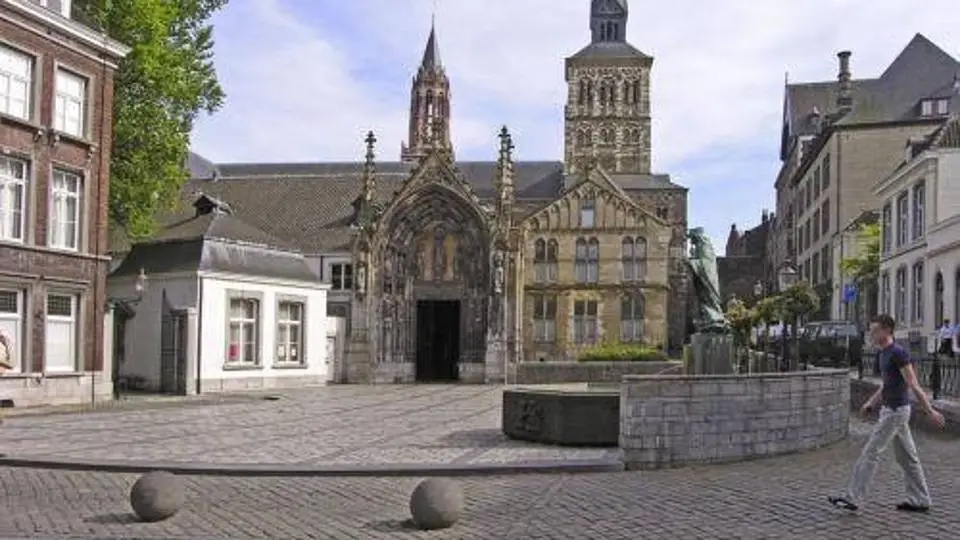
In the first lecture the (religious) significance of art in the Middle Ages, the Renaissanceand the Baroque will be introduced. In the following lectures you will be given an overview of the development of Dutch art from the Middle Ages to the modern era.The course will include tours to various museums in Maastricht, Amsterdam, Rotterdam or Aachento view the original works.
Period
22-07-2013 - 08-08-2013 (3 weeks)
Target group
Students intererest in Dutch Art history.
Course aim
Learning objectives:- Have acquired knowledge of the major monuments and art works, the most important personalities and the main issues in the history of Dutch art; Understand the larger (artistic, historical, social, religious and economic) processes at work in the Netherlands, from circa 1400 until nowadays. Skill development - Critically analyze an art work (its formal and technical qualities, its composition) and set it within a broader knowledge of style and culture; - Read and process texts critically and discuss them in a larger group of people; - Lead a discussion and provoke debate
Credits
6.0 ECTS credits
Course fee
EUR 900: Course + course material
Course leader
A. Frost
Scholarships
Not available
Maastricht University + Maastricht School of Management Student Service Centre
Address: Bonnefantenstraat 2 P.O. Box 616
Postal code: 6211 KL Maastricht
City: Maastricht
Country: Netherlands
Website: www.maastrichtuniversity.nl/summerschool
E-mail: summerschool@maastrichtuniversity.nl
Phone: +31433885295
Dutch Art History
label
Diverse
calendar_month
2013-03-04, 00:00
autorenew
2025-09-29, 17:01
history_edu
Diana Ignat