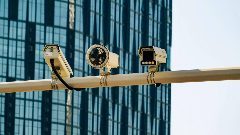
Hidden codes, special devices, fiendish villains, and top secrets: This is the world of James Bond, the CIA, the KGB, and the X-Files. Secret agents and spies have a special place in popular culture, but as alluring as the mythology may be, it does not answer important questions about the role espionage has played, and will continue to play, in international relations.
This course examines the evolution of intelligence services throughout the twentieth century, with particular reference to the two world wars, technological changes, and the "Cold War" confrontation after 1945. In many respects the epicentre for espionage during these periods, the city of Berlin will provide a unique setting for our examination of one of the most fascinating and important dimensions of diplomatic history.
Special attention in the course will be paid to the role that Germany and Berlin in particular played in the secret world of spies. The focus in the first part will be on British, German, and Russian intelligence, before we turn towards the development of services in the United States and the Soviet Union. The course will conclude with an examination of challenges intelligence services face today, and the future of spying in the post-Cold War world. In this regard, the events of September 11, 2001 and the "war on terrorism" will be discussed.
Period
28-05-2011 - 09-07-2011 (6 weeks)
Target group
Everyone is welcome to this course. It is ideal for students who have background in modern international relations history and supplements courses on the world wars, Cold War, or global politics / history. However, the course is designed for those without such training who have an interest in international relations. Students planning careers in intelligence, diplomacy, defence, or academia will also find this course beneficial.
Course aim
This course examines the evolution of intelligence services throughout the twentieth century, with particular reference to the two world wars, technological changes, and the Cold War confrontation after 1945.
Credits
6.0 ECTS creditsGRADINGSeminar participation: 30%One short essay: 30%Final exam: 40%
Course fee
EUR 1200[Convert to USD]TuitionEUR 250[Convert to USD]Program fee
Course leader
Dr. Arne Kislenko
Freie Universitat Berlin FUBiS
Address: Otto-von-Simson-Str. 26
Postal code: 14195
City: Berlin
Country: Germany
Website: http://www.fubis.org/
E-mail: fubis@fubis.org
Phone: +49 + 30 + 838 73472
Espionage in the 20th Century