This course offers students an introduction to the political landscape of Europe. Central to the course is the European Union (EU), a political partnership between 27 democratic European countries with almost 500 million citizens, which has become a major player in global politics.
Students will be introduced to the history, institutional structures, current aims, and future challenges of the European Union.Students will discuss the historical background of the European Union, which originated from a long process of political and economic integration that started after the Second World War and culminated in the formation of the EU by the Treaty of Maastricht in 1993. Lectures will discuss the various stages of integration, will evaluate the role of European leaders and will also examine euroscepticism and the resistance to the European project which resulted in the French and Dutch refusal to ratify the European Constitution.
Other issues are the future political expansion of the EU, transatlantic relations, and the development of a shared foreign policy and development aid.Students will also discuss the system of governance within the European Union by the European Parliament (representing the people of Europe); the Council of the European Union (representing national governments); and the European Commission (representing the common EU interest). But they will also learn about the role and function of the various other European institutions such as the European Court of Justice and the European Central Bank.
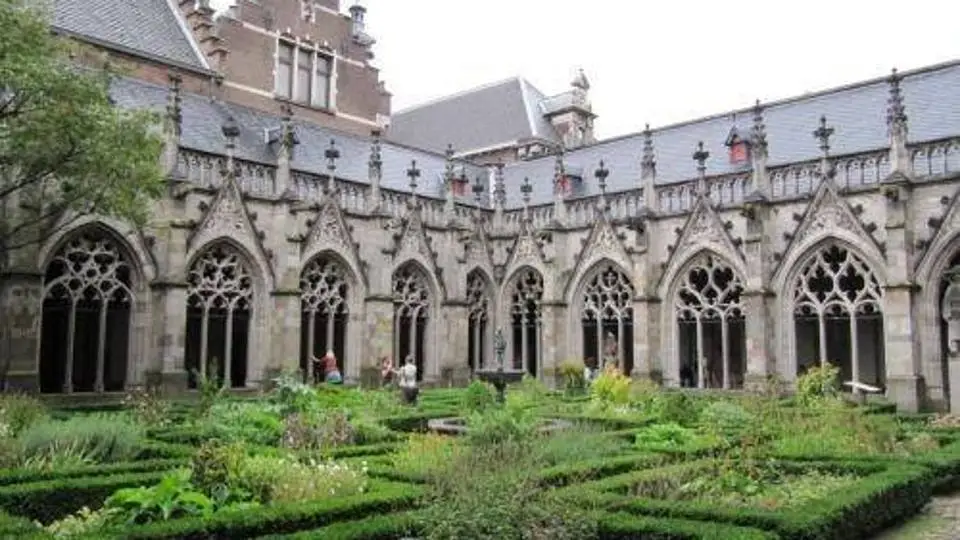
Other lectures will analyze regional and cultural diversity within Europe, discuss the position of various countries and regions within the larger European family, or look at the role of Europe in the world.The main venue for the course is Utrecht. The programme includes an excursion to Brussels, including a visit to the European Parliament and the NATO headquarters.You will experience an intensive two-week programme with lectures and seminar groups. Together with other students you are expected to work on group presentations and assignments.
Period
08-07-2013 - 19-07-2013 (2 weeks)
Target group
The programme is especially designed for students coming from countries outside Europe. The course has a focus on political sciences, and in offering this as a broad framework it is an excellent preparation for summer courses in the field of culture and European studies.
Course aim
The aim of this course is to introduce the participants to the social and cultural aspects of the nations within the European Community. The course will study both the development towards a united Europe and the enduring diversity of national cultures and identities within Europe.
Credits
4.0 ECTS credits
Certificate of Attendance
Course fee
EUR 1115: Course + course materials + housing + mealplan
Course leader
dr. Jaap Verheul & drs. Maurits Rost
Scholarships
Utrecht Summer School doesn't offer scholarships for this course.
Utrecht University
Address: PO BOX 80148
Postal code: 3508 TC
City: Utrecht
Country: Netherlands
Website: http://www.utrechtsummerschool.nl
E-mail: summerschool@uu.nl
Phone: 0031302534400
European Politics
label
Diverse
calendar_month
2013-01-07, 00:00
autorenew
2025-09-29, 17:00
history_edu
Silviu Marinescu