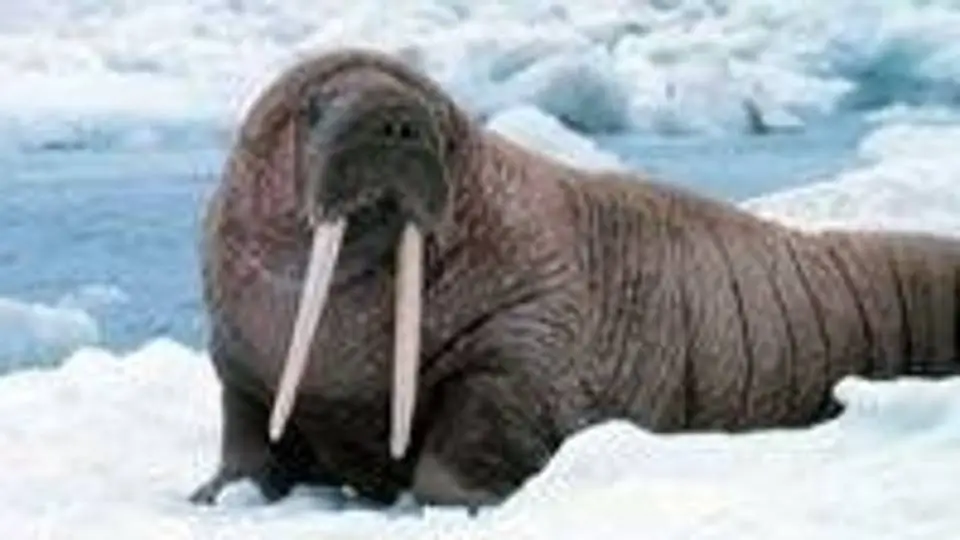
Sustainable management of resources is one of the fundamental issues of human civilization. From the earliest societies of hunters to present-day intensive harvesting of natural populations, knowledge of how populations develop over time and the causal mechanisms behind these patterns has been and still is of great importance to our existence.
Indeed, as biologists, many of you will come to face conservation related question such as "Despite the cessation of commercial whaling, the Northern right whale population is still declining. Why?" The answer to such questions may be simple: "Reduced reproduction due to an Allee effect!" However, make no mistake; the ability to portray simplicity in your answers and hypotheses requires comprehensive knowledge of often very complex systems. Course offered by the National Environmental Research Institute, AU.
Period
15-08-2011 - 26-08-2011 (2 weeks)
Target group
Attending students must have a basic knowledge to population ecology and statistics. This may be obtained through the BSc-course Population Ecology and Introductionary Statistics.
Course aim
After the course the student should be able to:- Analyse and contrast variations in species phenology and life histories.- Analyse and contrast species population dynamics.- Analyse and contrast the relative importance of intra- and inter-trophic interactions.- Analyse and contrast species responses to climatic changes.- To write a report on selected issues of population ecology.
Credits
5.0 ECTS credits
Course fee
EUR 0See website for information on fees
Course leader
Mads C. Forchhammer, Aarhus University
Aarhus University International Centre
Address: Hoeg Guldbergs Gade 4, building 1650 Aarhus C
Postal code: 8000
City: Aarhus
Country: Denmark
Website: http://www.au.dk/summeruniversity
E-mail: SummerUniversity@adm.au.dk
Phone: +45 8942 2320
Population Ecology of Arctic Species