From the gender ambiguity of Shakespearean theatre and the scandal of the Oscar Wilde trials, to the groundbreaking films of Derek Jarman, London has always been at the forefront of queer activism and academia.Asking how Queer Theory seeks to illuminate the ways sexuality is constructed, articulated and experienced in historically and culturally specific ways, this course offers an exciting chance to study the interplay between sex and gender, sexuality and difference, performance and discourse, deviance and dissidence.
We'll discuss the fundamentals of queer theory and how it relates to lived experiences and the built environment, using interdisciplinary analysis and a variety of cultural production and case studies. You'll gain close reading skills, the ability to write sophisticated academic responses and to critically engage with a variety of material.You'll study the history of queer theory in the very spaces and places which have constituted its intellectual arrival and that have witnessed queer activism. This course takes you out of the classroom to intimately engage with the social contexts and physical spaces which situate sexuality as a living, breathing, changing entity.
This rigorous and detail-oriented course will give you the opportunity to study the history of queer theory in the very spaces and places which have constituted its intellectual arrival and the very streets that have witnessed queer activism, the counterpart to academia. Uniquely tailored to the lives and histories of those living in the exciting metropolis of London, as well as providing a broader narrative on the Euro-American construction of queer discourse, this course will take you out of the classroom to intimately engage with the social contexts and physical spaces which situate sexuality as a living, breathing, changing entity.
This course will appeal to people who wish to analyse queer theory through textual representation and creative economies rather than through more pragmatic models of current debate or thematic interventions.
Period
01-07-2013 - 19-07-2013 (3 weeks)
Target group
Students would need to have an interest in and be able to discuss literary materials and have an interest in the study of sexuality and queer culture.
Course aim
There will be trips conducted to the Victoria & Albert Museum to look at artefacts with queer histories and a trip to the Tate Britain may also be arranged. This course will involve at least one walking tour of London to look at places of queer interest. We may also visit the LSE Lesbian and Gay archives to look at significant documents relating to homosexual life and activism in Britain.
Credits
7.5 ECTS credits
Many of our students get credit for the summer courses taken at Kings. You should approach your home university before applying to find out whether they accept our courses for credit. We would recommend a three-week course to be equivalent 4 US credits or 7.5 ECTS, for instance.
Course fee
GBP 1350: tuition fee only
Course leader
Matias Gardin is a PhD student who works in the European Studies department at King's College London. Matias received his BA at the University of Manchester (Universitt Innsbruck) and his MA at the University of Manchester. His thesis is entitled &
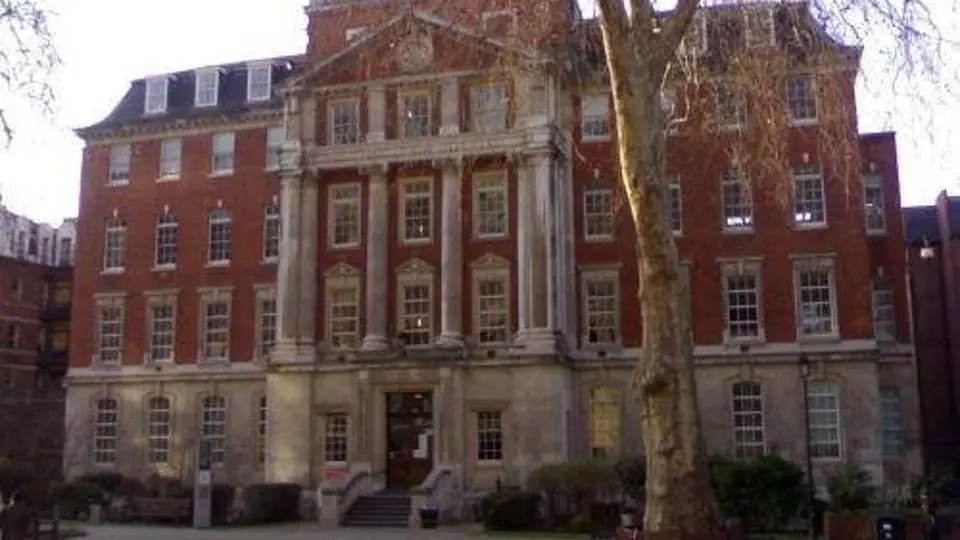
King's College London
Address: Strand, London
Postal code: WC2R 2LS
City: London
Country: United Kingdom
Website: http://www.kcl.ac.uk/summerschool
E-mail: summerschool@kcl.ac.uk
Phone: +44 20 7848 1533
Queer Streets of London
label
Diverse
calendar_month
2013-02-18, 00:00
autorenew
2025-09-29, 17:01
history_edu
Diana Ignat